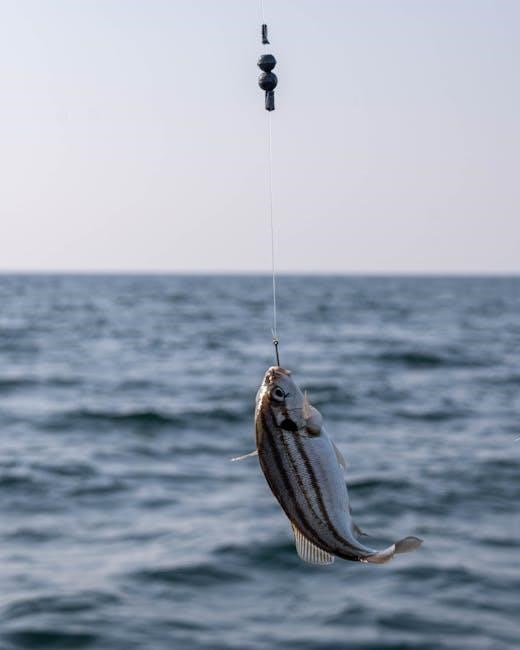
Texas Saltwater Fishing Regulations: A Comprehensive Guide
Navigating Texas’s coastal waters requires understanding current regulations! Access the official Texas Parks and Wildlife Department (TPWD) PDF for detailed rules, ensuring a legal and enjoyable fishing experience․
Understanding Texas Fishing Licenses
Securing the appropriate license is paramount for legal saltwater fishing in Texas! Anyone attempting to harvest aquatic life – fish, mussels, clams, or crayfish – within public waters must possess a current Texas fishing license․ The official Texas Saltwater Fishing Regulations PDF, available through TPWD, details various license types and associated costs․
A saltwater endorsement is specifically required for fishing in coastal areas, while a freshwater endorsement covers inland waters․ The PDF clarifies exemptions and exceptions to these requirements, outlining who needs a license and under what circumstances․ The TPWD website and mobile app provide convenient access to this crucial information, ensuring anglers remain compliant with state laws and contribute to sustainable fisheries management․
Saltwater Fishing License Requirements
Texas saltwater fishing license requirements are clearly outlined in the official TPWD regulations PDF! Generally, any person 17 years or older intending to fish in public saltwater must obtain a valid license․ This includes both residents and non-residents․ The PDF details the different license options available, including annual, short-term, and lifetime licenses․
Specific endorsements are crucial; a saltwater endorsement is mandatory for coastal fishing․ The downloadable PDF provides a comprehensive breakdown of costs and how to purchase licenses online, at retail locations, or through the TPWD mobile app․ Understanding these requirements, as detailed in the official document, ensures anglers are legally compliant and support conservation efforts within Texas’s marine ecosystems․
Freshwater vs․ Saltwater Endorsements
The Texas Parks and Wildlife Department (TPWD) regulations PDF clearly distinguishes between freshwater and saltwater endorsements! A freshwater endorsement is required for fishing in inland waters, while a saltwater endorsement is essential for coastal fishing․ Many anglers require both if they plan to fish in both environments during the year․
The PDF details how these endorsements function with the base fishing license․ It clarifies that a single license can accommodate both endorsements, offering convenience․ Understanding the specific boundaries defining freshwater and saltwater areas, as outlined in the official document, is crucial for compliance․ The downloadable PDF provides a complete guide to ensure anglers possess the correct endorsements for their intended fishing locations․
Who Needs a License? ⏤ Exemptions and Exceptions
The official Texas Saltwater Fishing Regulations PDF meticulously outlines who requires a fishing license! Generally, anyone attempting to take aquatic life in public waters of Texas must possess a valid license․ However, the PDF details several exemptions and exceptions․
These include individuals under 17 years of age, those fishing from a private pier owned by them, and individuals with certain disabilities; The PDF also clarifies exemptions for anglers participating in TPWD-sponsored events․ It’s vital to consult the document for a complete understanding of these nuances․ The downloadable PDF ensures anglers can determine their licensing requirements, avoiding potential penalties and promoting responsible fishing practices within Texas․

Bag and Length Limits: Species-Specific Regulations
The Texas Saltwater Fishing Regulations PDF provides crucial details! It outlines species-specific bag and length limits, ensuring sustainable harvesting and conservation efforts across Texas waters․
Red Drum (Redfish) Regulations
Understanding Red Drum regulations is vital for Texas anglers! The official Texas Parks and Wildlife Department (TPWD) PDF details specific rules regarding this popular species․ Generally, there’s a bag limit, and size restrictions apply to ensure healthy populations․
Notably, anglers can harvest one red drum over 28 inches per license year – a “bonus” limit in addition to the standard daily bag․ The PDF clearly illustrates these distinctions․ It’s crucial to consult the current document, as regulations can change․
Always verify the current size and bag limits within the PDF before fishing for Red Drum․ Proper identification and adherence to these rules are essential for responsible angling and avoiding penalties․
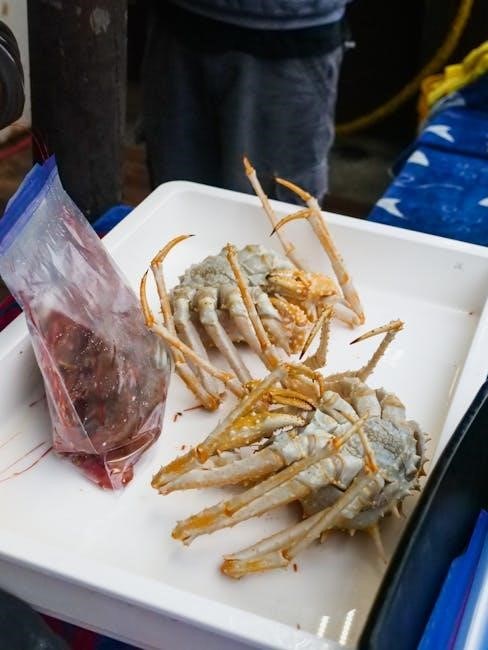
Over 28-inch Red Drum – Bonus Limit
The “bonus” red drum regulation offers a unique opportunity for Texas anglers! The official Texas Parks and Wildlife Department (TPWD) PDF explicitly outlines this provision․ Once per license year, you may retain one red drum exceeding 28 inches in length, in addition to your regular daily bag limit․

This allows for the potential harvest of a larger, mature fish while still promoting conservation․ The PDF provides clear measurements and guidelines for proper identification․ It’s essential to understand that this is a one-time allowance per license holder․
Always confirm the current regulations in the TPWD PDF before targeting oversized red drum․ Strict adherence to these rules ensures sustainable fishing practices and avoids potential fines․
Spotted Seatrout (Speckled Trout) Regulations
Spotted seatrout, or speckled trout, are a prized catch in Texas coastal waters! The Texas Parks and Wildlife Department (TPWD) PDF details specific regulations governing their harvest․ These regulations are crucial for maintaining healthy populations․
Typically, bag and length limits apply, varying by bay system and time of year․ The PDF outlines these specific limits, often including a slot limit – a range of sizes that must be released․ Understanding these nuances is vital for compliance․
Always consult the current TPWD PDF for the most up-to-date information on speckled trout regulations, as they can change frequently based on stock assessments and conservation needs․ Responsible angling ensures future generations can enjoy this popular species․
Flounder Regulations
Flounder fishing in Texas waters is subject to strict regulations! The Texas Parks and Wildlife Department (TPWD) PDF provides comprehensive details regarding size and bag limits, crucial for sustainable harvesting․ These regulations aim to protect flounder populations․
Generally, a minimum size limit is enforced, and anglers are restricted to a specific daily bag limit․ The PDF clearly outlines these limits, which can differ between bay systems․ It’s essential to know the specific rules for the area you’re fishing․
Always refer to the latest TPWD PDF before heading out, as regulations can change seasonally․ Compliance with these rules is vital for responsible fishing and ensuring the longevity of this delicious and popular species․
Size and Bag Limits for Flounder
The Texas Parks and Wildlife Department (TPWD) PDF details specific flounder size and bag limits! Currently, the general regulation stipulates a 15-inch minimum length for flounder, measured from the tip of the snout to the end of the tail․ Anglers must immediately release any flounder under this size․
The daily bag limit is generally set at two flounder per person․ However, it’s crucial to consult the latest TPWD PDF, as these limits can be adjusted based on bay system and time of year․ Some areas may have reduced limits or seasonal closures․
Always verify the current regulations before fishing! The PDF is your definitive guide to ensure compliance and responsible harvesting of this prized species․
Snook Regulations (If Applicable ― Coastal Bend)
Snook regulations in the Texas Coastal Bend are carefully managed, as detailed in the TPWD PDF! Size limits currently stand at 24-28 inches, with a bag limit of one snook per person, per day․ This species is not consistently present throughout Texas coastal waters, making the Coastal Bend the primary area for snook fishing․
The TPWD PDF outlines seasonal closures and specific zones where snook fishing may be prohibited to protect spawning populations․ It’s vital to check for any recent updates or emergency regulations before targeting snook․
Responsible angling and adherence to the PDF’s guidelines are crucial for the sustainability of this popular game fish in Texas․
Other Popular Species – Bag and Length Limits
The Texas Parks and Wildlife Department (TPWD) PDF comprehensively details bag and length limits for numerous saltwater species! Beyond red drum and speckled trout, anglers frequently target flounder, sheepshead, and black drum․ Regulations vary significantly between these species, necessitating a review of the current PDF․
For example, the PDF specifies size and daily bag limits for flounder, which are subject to seasonal adjustments․ Sheepshead and black drum also have specific size restrictions and bag limits outlined within the document․
Always consult the official TPWD PDF before fishing to ensure compliance and contribute to sustainable fisheries management in Texas coastal waters․
Seasonal Closures and Restrictions
The TPWD PDF outlines crucial seasonal closures! Certain species have restricted harvest periods, and nursery areas are protected – details are readily available within the PDF․
Seasonal Closures for Specific Species
Understanding species-specific closures is vital for responsible angling․ The official Texas Parks and Wildlife Department (TPWD) PDF meticulously details these restrictions, varying by species and location․ For example, Snook, primarily found in the Coastal Bend, often have size and seasonal harvest limitations to protect vulnerable populations․
The PDF will specify dates when certain species are completely off-limits to harvest, or when only catch-and-release practices are permitted․ These closures are implemented based on scientific data and population assessments, ensuring long-term sustainability․ Always consult the current PDF before any fishing trip, as regulations can change annually or even mid-season due to unforeseen circumstances․ Ignoring these closures can result in substantial fines and penalties․
Nursery Areas and Protected Zones
Protecting juvenile fish habitats is crucial for future stocks․ The Texas Parks and Wildlife Department (TPWD) PDF clearly identifies designated nursery areas and protected zones along the coast․ These areas serve as vital breeding and rearing grounds for many species, and are often subject to stricter regulations or complete fishing closures․
The PDF will outline specific boundaries and restrictions for these zones, which may include limitations on gear types, size limits, or complete prohibitions on harvest․ These protections are essential for ensuring the long-term health of Texas’s saltwater fisheries․ Anglers must familiarize themselves with these areas before fishing, as unauthorized activity can lead to significant penalties․ Respecting these zones contributes to sustainable fishing practices․

Gear Restrictions and Legal Methods
The TPWD PDF details legal gear types for saltwater fishing in Texas․ It also outlines prohibited methods, including specifics on netting regulations for responsible angling!
Legal Fishing Gear Types
The official Texas Saltwater Fishing Regulations PDF, available from TPWD, comprehensively lists approved gear․ Generally, conventional rod and reel setups are permitted, alongside various artificial lures and natural baits․
Specifically, the document details acceptable hook types and sizes, clarifying restrictions on gaffs and spears․ Baitcasting and spinning gear are both legal, offering anglers flexibility․
Furthermore, the PDF clarifies the legality of using multiple rods – often limited to a specific number per angler․ Fly fishing is also a permitted method, with regulations regarding fly size and material․ Always consult the current PDF for the most up-to-date and precise details on legal gear, as regulations can change annually․
Prohibited Fishing Methods
The Texas Saltwater Fishing Regulations PDF, obtainable from TPWD, explicitly outlines illegal fishing practices․ Using explosives or poisons to catch fish is strictly forbidden and carries severe penalties․ Similarly, possessing or utilizing electric fishing devices is unlawful throughout Texas coastal waters․
The PDF also details restrictions on taking fish by hand or with a club, except under very specific, limited circumstances; Certain types of nets are prohibited, or their use is heavily regulated, to protect vulnerable species and habitats․
Furthermore, the document clarifies that snagging for fish is illegal, as is the intentional harassment of marine life․ Always refer to the current PDF for a complete understanding of prohibited methods, ensuring compliance with Texas law and responsible angling․
Netting Regulations
The Texas Saltwater Fishing Regulations PDF, available via TPWD, provides detailed guidance on legal and prohibited netting practices․ Generally, the use of gill nets for saltwater fishing is heavily restricted or completely prohibited in many areas to protect non-target species and conserve fish stocks․
The PDF specifies permissible net types, mesh sizes, and soak times, varying by location and species․ Certain areas may be designated as net-free zones, offering enhanced protection for vulnerable habitats․
Commercial and recreational netting regulations differ significantly; the PDF clearly delineates these distinctions․ Understanding these rules is crucial for avoiding violations, as illegal netting can result in substantial fines and equipment confiscation․ Always consult the latest PDF for the most accurate and up-to-date information․

Reporting Requirements and Compliance
The Texas Saltwater Fishing Regulations PDF outlines mandatory reporting for certain catches․ Compliance with TPWD regulations is essential, and the PDF details penalties for violations․
Mandatory Reporting of Certain Catches
The Texas Saltwater Fishing Regulations PDF details specific instances requiring catch reporting to the Texas Parks and Wildlife Department (TPWD)․ While not all recreational catches necessitate reporting, certain species or fishing activities do․ For example, participation in tag programs, like those focused on red drum, often mandates returning tags and providing catch data․
Furthermore, anglers harvesting certain highly regulated species may be required to submit reports․ The PDF clearly outlines which species fall under this requirement, along with the accepted methods for submission – often through online portals or dedicated TPWD apps․ Accurate and timely reporting is crucial for effective fisheries management and conservation efforts in Texas coastal waters․ Failure to comply with these reporting requirements can result in penalties․
Compliance with TPWD Regulations
Ensuring full compliance with the Texas Parks and Wildlife Department (TPWD) regulations, as detailed in the Texas Saltwater Fishing Regulations PDF, is the responsibility of every angler․ This encompasses possessing a valid fishing license with the appropriate endorsements – saltwater, freshwater, or both – based on the targeted waters․
Adhering to all bag and length limits for specific species is paramount, alongside respecting seasonal closures and protected areas․ The PDF provides comprehensive information on legal fishing gear, prohibited methods, and netting regulations․ Anglers must also be aware of mandatory reporting requirements for certain catches․ Proactive review of the PDF before each fishing trip is highly recommended to avoid unintentional violations and contribute to sustainable fisheries management in Texas․
Penalties for Violations
Violations of Texas saltwater fishing regulations, comprehensively outlined in the Texas Saltwater Fishing Regulations PDF, can result in significant penalties․ These penalties range from monetary fines to the confiscation of fishing gear, and even the suspension or revocation of fishing privileges․
The severity of the penalty often depends on the nature of the violation and any prior offenses․ Common infractions, such as exceeding bag limits or possessing undersized fish, typically incur fines․ More serious violations, like illegal netting or fishing in prohibited areas, can lead to criminal charges․ The TPWD actively enforces these regulations to protect Texas’s marine resources․ Thoroughly reviewing the PDF is crucial to understanding potential consequences and ensuring responsible angling practices․
Accessing the Official Regulations PDF
Stay compliant with Texas law! Download the current Texas Saltwater Fishing Regulations PDF directly from the TPWD website for complete, up-to-date rules․
Downloading the Current Texas Saltwater Fishing Regulations PDF
Ensuring you have the most current regulations is crucial for responsible and legal saltwater fishing in Texas․ The Texas Parks and Wildlife Department (TPWD) provides a readily accessible PDF version of the complete Saltwater Fishing Regulations․
To download this essential document, simply visit the official TPWD website․ A direct link is often available on their Fishing pages, specifically within the Saltwater Fishing section․ Look for a clearly labeled link such as “Saltwater Fishing Regulations PDF” or “Outdoor Annual”․
The PDF contains detailed information on bag and length limits, seasonal closures, gear restrictions, and other vital rules․ Downloading and reviewing this document before your fishing trip is highly recommended to avoid potential penalties and contribute to sustainable fisheries management․
TPWD Website Resources
The Texas Parks and Wildlife Department (TPWD) website is a comprehensive hub for all things related to saltwater fishing regulations․ Beyond the downloadable PDF, numerous online resources offer convenient access to vital information․
The Saltwater Fishing section features detailed species-specific regulations, including current bag and length limits․ Interactive tools and maps highlight nursery areas and protected zones․ You’ll also find updates on seasonal closures and any emergency rule changes․
Furthermore, TPWD provides Fishing reports, license information, and educational materials promoting responsible angling practices․ Regularly checking the TPWD website – http://tpwd․state․tx․us/regulations/ – ensures you’re always informed about the latest rules and regulations governing Texas coastal fisheries․
Official TPWD Mobile App
For anglers on the go, the official Texas Parks and Wildlife Department (TPWD) mobile app provides instant access to crucial saltwater fishing regulations, even without an internet connection! This convenient tool delivers the same information found in the comprehensive PDF, but directly to your smartphone or tablet․
The app features up-to-date bag and length limits, seasonal closures, and license requirements․ It also includes interactive maps displaying fishing locations and regulations specific to those areas․
Download the app to easily view current rules, report catches, and stay informed about any emergency changes․ No internet is needed to access previously downloaded regulations! Find the app in your app store and enhance your Texas saltwater fishing experience․

Important Considerations for Responsible Fishing
Review the Texas Parks and Wildlife Department’s PDF to understand regulations and contribute to sustainable practices for healthy fisheries and future enjoyment!
Conservation Efforts and Sustainable Practices
Responsible angling is crucial for maintaining Texas’s vibrant saltwater ecosystems․ The Texas Parks and Wildlife Department (TPWD) actively implements conservation strategies, and understanding the regulations detailed in their official PDF is paramount․ These rules, including bag and length limits, seasonal closures, and gear restrictions, are scientifically based to protect vulnerable species and ensure long-term sustainability․
By adhering to these guidelines, anglers directly contribute to healthy fish populations․ Reporting catches, respecting nursery areas, and practicing catch-and-release when appropriate are all vital components of responsible fishing․ The PDF provides comprehensive information on these practices, empowering anglers to become stewards of the marine environment․ Prioritizing conservation ensures future generations can enjoy Texas’s rich saltwater fishing heritage․

Understanding Tidal Influences
Tidal movements significantly impact saltwater fishing success in Texas․ The official Texas Parks and Wildlife Department (TPWD) PDF doesn’t directly detail tides, but understanding them is vital when interpreting regulations and planning trips․ Incoming tides often bring baitfish and predatory species closer to shore, creating prime fishing conditions․ Conversely, outgoing tides can concentrate fish in channels and passes․
Knowing tidal patterns allows anglers to strategically position themselves and select appropriate fishing techniques․ Consult local tide charts alongside the PDF’s regulations to maximize your catch while remaining compliant․ Understanding how tides affect fish behavior enhances your angling experience and contributes to responsible fishing practices․ Successful anglers consistently factor tidal influences into their strategies․
Safety Precautions While Saltwater Fishing
Prioritizing safety is crucial when saltwater fishing in Texas․ While the official Texas Parks and Wildlife Department (TPWD) PDF focuses on regulations, it’s your responsibility to ensure a safe outing․ Always check the weather forecast before heading out and be prepared for sudden changes․ Wear a properly fitted life jacket, especially when operating a boat or wading in deeper waters․
Carry essential safety gear, including a first-aid kit, sunscreen, and plenty of water․ Be aware of your surroundings and potential hazards like boat traffic and marine life․ Inform someone of your fishing plans and expected return time․ Adhering to these precautions, alongside the PDF’s regulations, guarantees a secure and enjoyable fishing experience․